




Tasting in Translation at Yam’Tcha
Tasting in Translation was a tea, wine, and food pairing dinner held at Yam’Tcha restaurant in Paris. It began from a simple thought: to taste is also to translate. Every sip carries more than flavour. It holds memory, culture, place, and personal interpretation. At this table, teas from across China met wines from different terroirs, while cuisine became the bridge between them. Tea and wine were not treated as opposites, or as replacements for one another. They were placed beside the same dishes as two different ways of reading. One might soften a flavour. The other might sharpen it. One might bring warmth, another brightness. Neither gave the final answer.
Translation is never perfect. It slips, reshapes, and sometimes misunderstands. But within these imperfect alignments, something interesting happens: surprise, tension, and resonance. At this table, tea, wine, and food were not merely paired. They were placed in conversation.
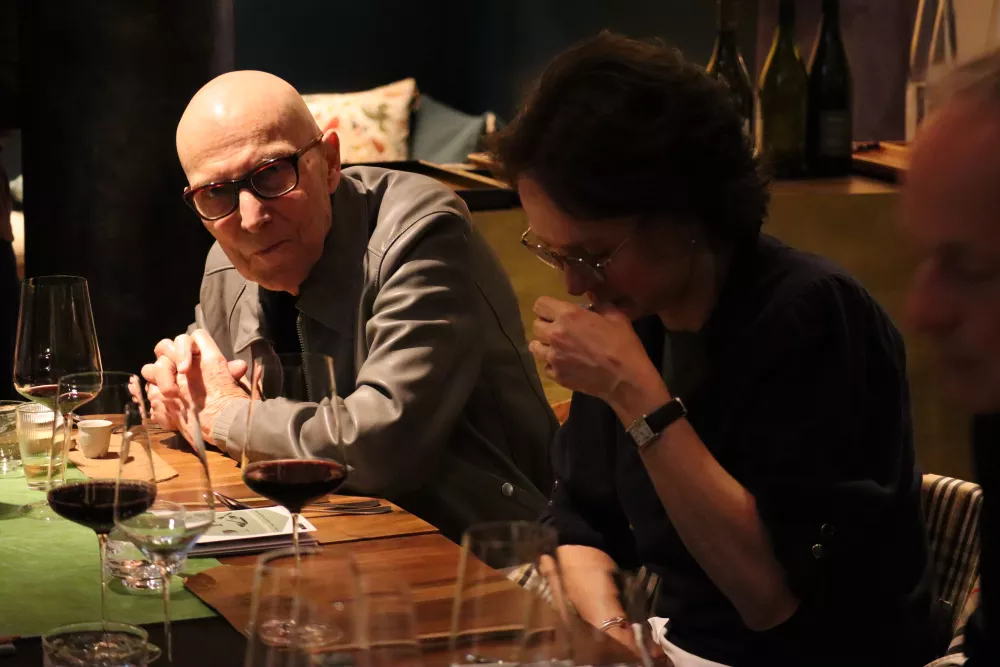
Tasting flow
Yunnan Early Spring Yellow Tea — Cold Brew. The first tea was served cold. Clear, soft, and gently sweet, it opened the dinner with a quiet freshness. Rather than preparing the palate through acidity or alcohol, it offered another beginning: light, green, and almost mist-like. A first translation of spring.
Award-winning Milan Xiang — Cold Brew × Hot Brew Contrast. Milan Xiang appeared in two temperatures. The cold brew held the honey-orchid fragrance with softness and restraint. The hot brew released more lift, more movement, more immediate aroma. Placed beside food and wine, the contrast became less about technique and more about language. The same tea could become fresh or warm, quiet or expressive, depending on how it was poured.
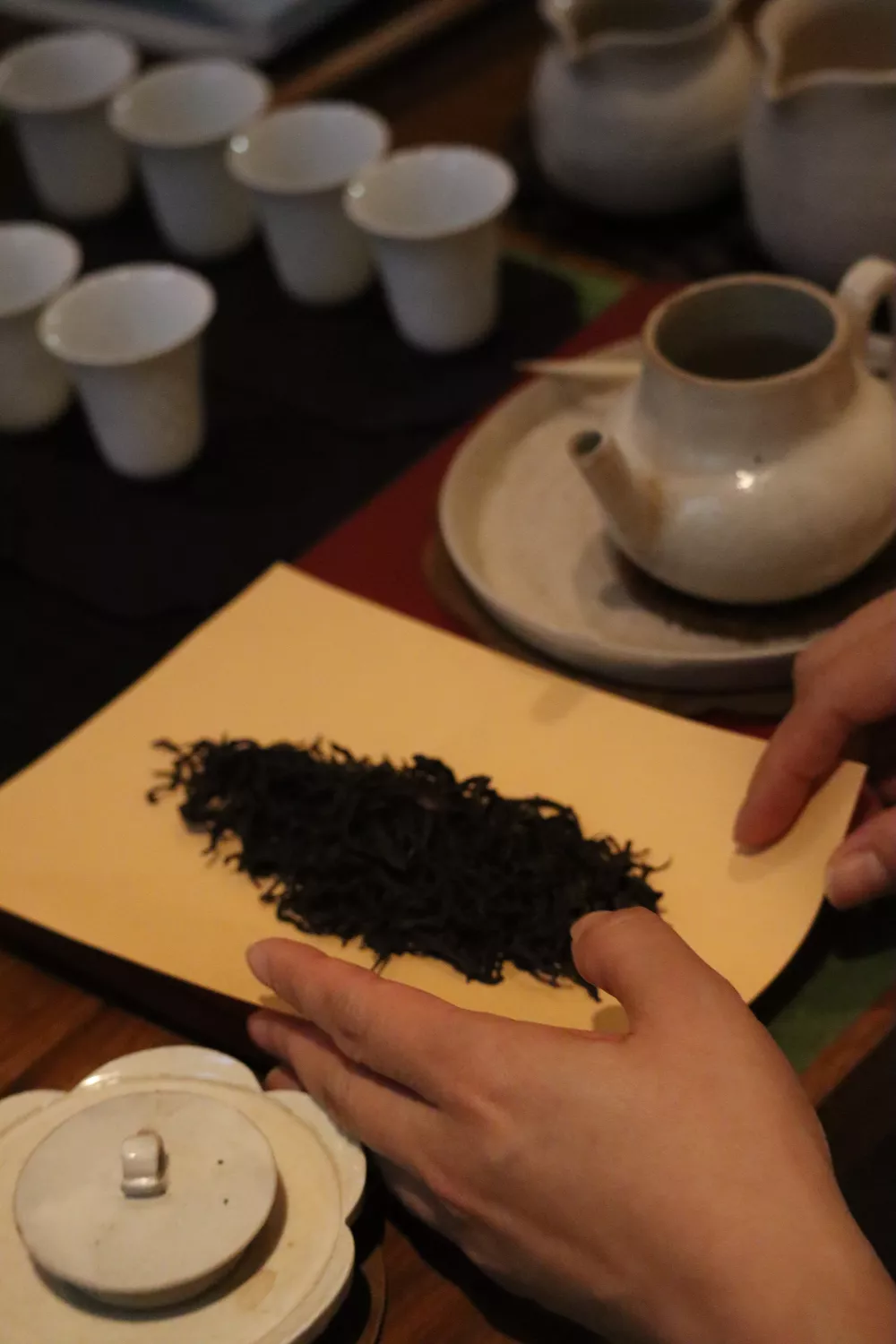
Lao Cong Shuixian — Gongfu Brewing. The third tea was brewed in small rounds. Lao Cong Shuixian brought the energy of Wuyi rock tea into the meal: mineral, floral, textured, and alive. It did not behave like wine, but it shared something with wine — a sense of place carried through structure. Each infusion shifted slightly. The tea kept moving with the food, instead of staying fixed.
A quiet surprise — To be discovered on the table. The final part of the tasting was left open. Not every pairing needs to be announced before it arrives. Some things are better understood at the table, through the sequence of serving, tasting, looking, and returning to the cup.
Wines
The wines came from different French terroirs, including Burgundy, Alsace, and the Loire. From the bottles documented that evening, the selection included:
Anjou Blanc
Chassagne-Montrachet 1er Cru Morgeot
Alsace Gewurztraminer Saint-Nicolas
Chambolle-Musigny
They gave the meal another geography: one that met the teas not through comparison, but through dialogue.
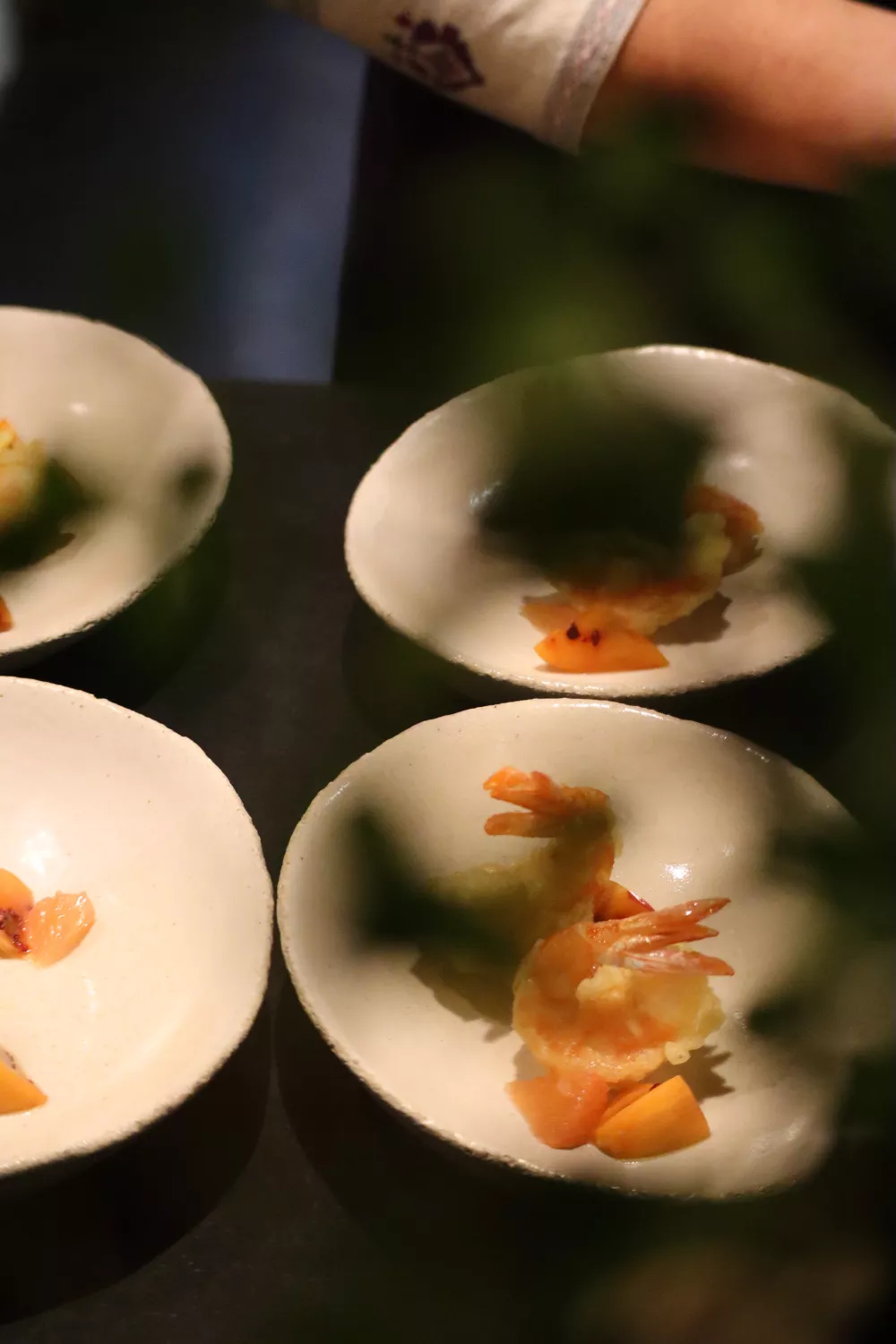
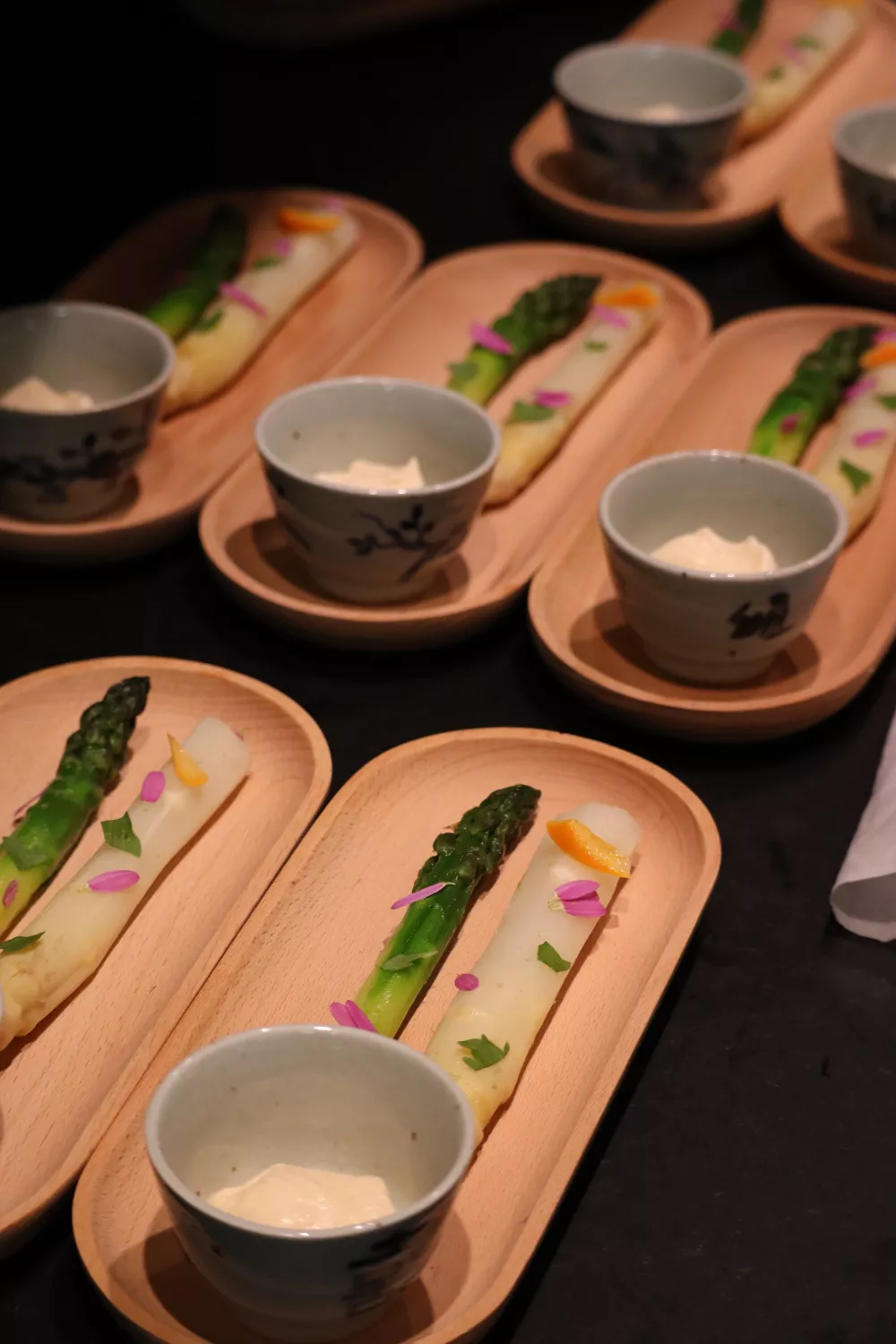
The menu was created by the Yam’Tcha kitchen shortly before the event, following seasonal ingredients and the rhythm of the restaurant. This made the evening feel alive. The pairings were not built as fixed formulas, but as encounters between tea, wine, and each plate.
What stayed with us was the instability of taste.A tea did not simply “match” a dish. A wine did not simply “elevate” it. Each drink made the food turn slightly, revealing another side. Sometimes the connection was harmonious. Sometimes it created contrast. Sometimes it made people pause, write something down, or taste again. Guests were invited to leave a word, a memory, or a sensation. These small notes became another part of the evening — personal translations of what had just happened.
Related Products
-



 Best selling!
Blooming Clarity
9,00€
Only 3 left!
-

Earthy Depth
15,00€
In stock